TL;DR
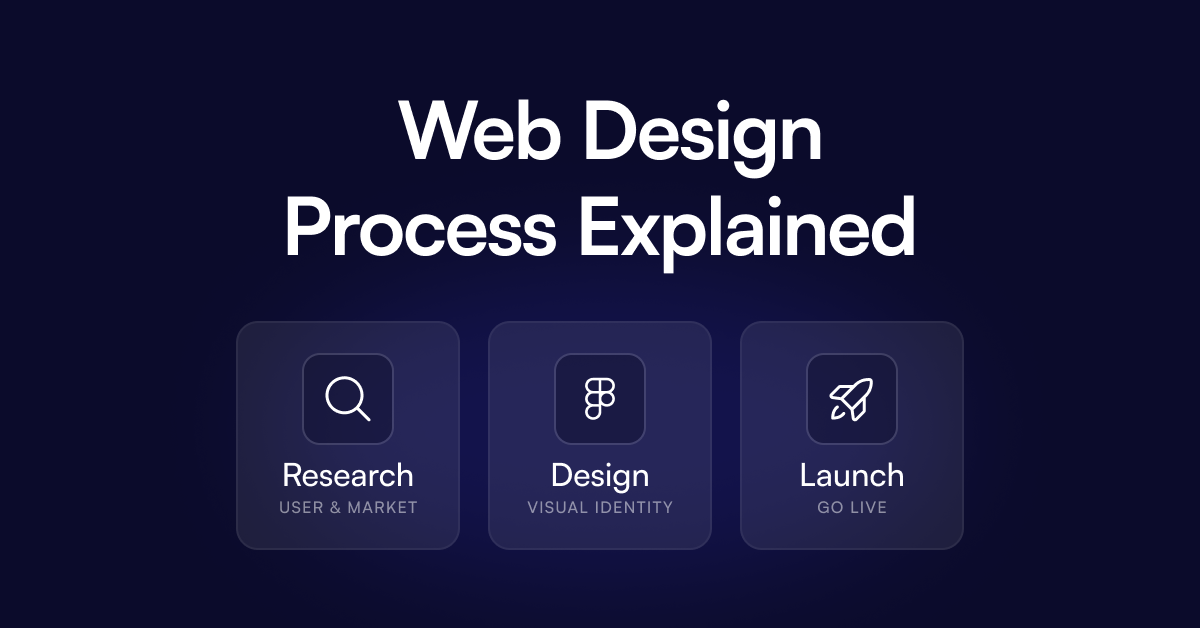
The Web Design Process in 2025 involves seven essential steps:
Goal Identification: Define the website’s purpose and objectives.
Scope Definition: Outline the project’s scope to prevent scope creep.
Sitemap & Wireframe Creation: Organize the site’s structure and layout.
Content Creation: Develop and optimize engaging content.
Visual Design: Create an appealing, responsive design.
Development: Build the functional website.
Testing & Launch: Test thoroughly and launch the site.
Following this structured approach ensures the development of effective and user-centric websites.
A structured web design process is the difference between a site that performs and one that just looks nice. User expectations keep rising, and businesses need websites that deliver measurable results, not just polished visuals.
At Nexus Creative, we've refined our process over six years of building for B2B tech companies. These seven steps keep projects on track, aligned with business goals, and focused on what users actually need.
1. Goal Identification
Objective: Define what the website needs to accomplish.
Activities:
- Collaborate with stakeholders to understand business objectives.
- Identify target audiences and their specific needs.
Outcome: A clear understanding of the website's purpose and success metrics.
Our approach: We run a Discovery Workshop at the start of every project. Getting alignment here saves weeks of rework later. It's the single most valuable step in the entire process.
2. Scope Definition
Objective: Define boundaries to prevent scope creep.
Activities:
- Outline pages and features needed to meet your goals.
- Set a realistic timeline for each project phase.
Outcome: A well-defined project scope and timeline that everyone agrees on.
Want to see how we structure project scopes? Get in touch to learn how our partnership model keeps things transparent from day one.
3. Sitemap and Wireframe Creation
Objective: Organize the site's structure for optimal user experience.
Activities:
- Build a sitemap defining hierarchy and navigation flow.
- Create low-fidelity wireframes showing page layouts, content placement, and user pathways.
Outcome: Structural blueprints for the entire website.
Good information architecture prevents users from getting lost and boosts conversions. A wireframe is cheap to change. A finished page is not.
4. Content Creation
Objective: Develop content that serves both users and search engines.
Activities:
- Write and edit copy, gather images, videos, and supporting media.
- Optimize everything for SEO and user engagement.
Outcome: Production-ready content for integration into the website.
From our experience building for B2B companies: compelling, optimized content shortens sales cycles. A well-crafted narrative moves prospects from curious to convinced.
5. Visual Design
Objective: Create an interface that looks great and works intuitively.
Activities:
- Design visual elements that align with brand identity.
- Ensure responsive design across all device sizes.
Outcome: High-fidelity mockups ready for development.
6. Development
Objective: Turn designs into a working website.
Activities:
- Build front-end and back-end functionality.
- Integrate CMS, APIs, CRM automations, and any other tools the project requires.
Outcome: A fully functional website ready for testing.
Need custom web applications or API integrations? We'd love to hear about your project. Our no-code and low-code approach lets us move fast without cutting corners.
7. Testing and Launch
Objective: Make sure everything works before going live.
Activities:
- Test functionality, browser compatibility, and performance across devices.
- Fix any issues found during testing.
- Launch and monitor performance closely in the first weeks.
Outcome: A live website that meets defined goals and delivers a solid user experience.
We don't disappear after launch. We review analytics, perform updates, and make iterative improvements to keep your site performing as your business evolves.
Why a Structured Web Design Process Matters
Following these seven steps keeps projects on time, communication clear, and every decision grounded in real data. It also means fewer surprises, for both the studio and the client.
The web keeps evolving. AI-driven personalization, advanced analytics, new interaction patterns. A systematic process helps you adapt to these changes without starting from scratch every time.
Want to Build Something That Performs?
If you're planning a new website or rethinking your current one, Nexus Creative can help. We combine design, development, and conversion optimization into one cohesive process, built specifically for B2B tech companies.
Let's talk about your project and turn your website into a real business asset.